

Most roofing information online is written to sell you something. This library is different. Each guide below is built to answer a real question a South Shore homeowner actually asks — whether a stain on the ceiling means a repair or a replacement, what a new roof really costs around Suffolk and Nassau, and what to do the morning after a storm rolls through off the Atlantic. No jargon, no pressure. Just what 25 years of climbing Long Island roofs has taught us.
Seven core guides covering the questions we hear most, from first leak to final warranty.
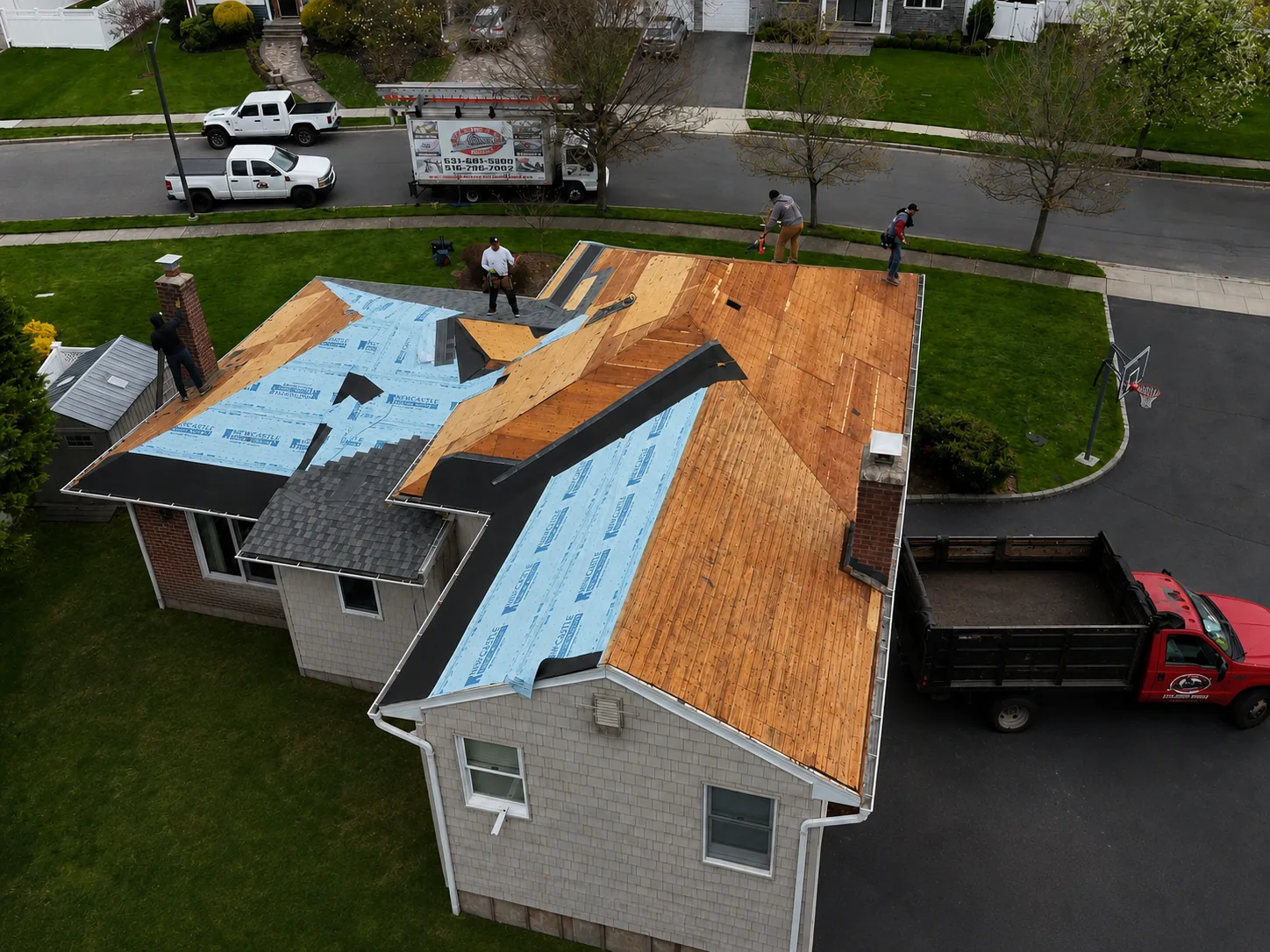
What a new roof runs on Long Island, the factors that move the price, and how to read a quote so you're comparing like for like.
Read the guide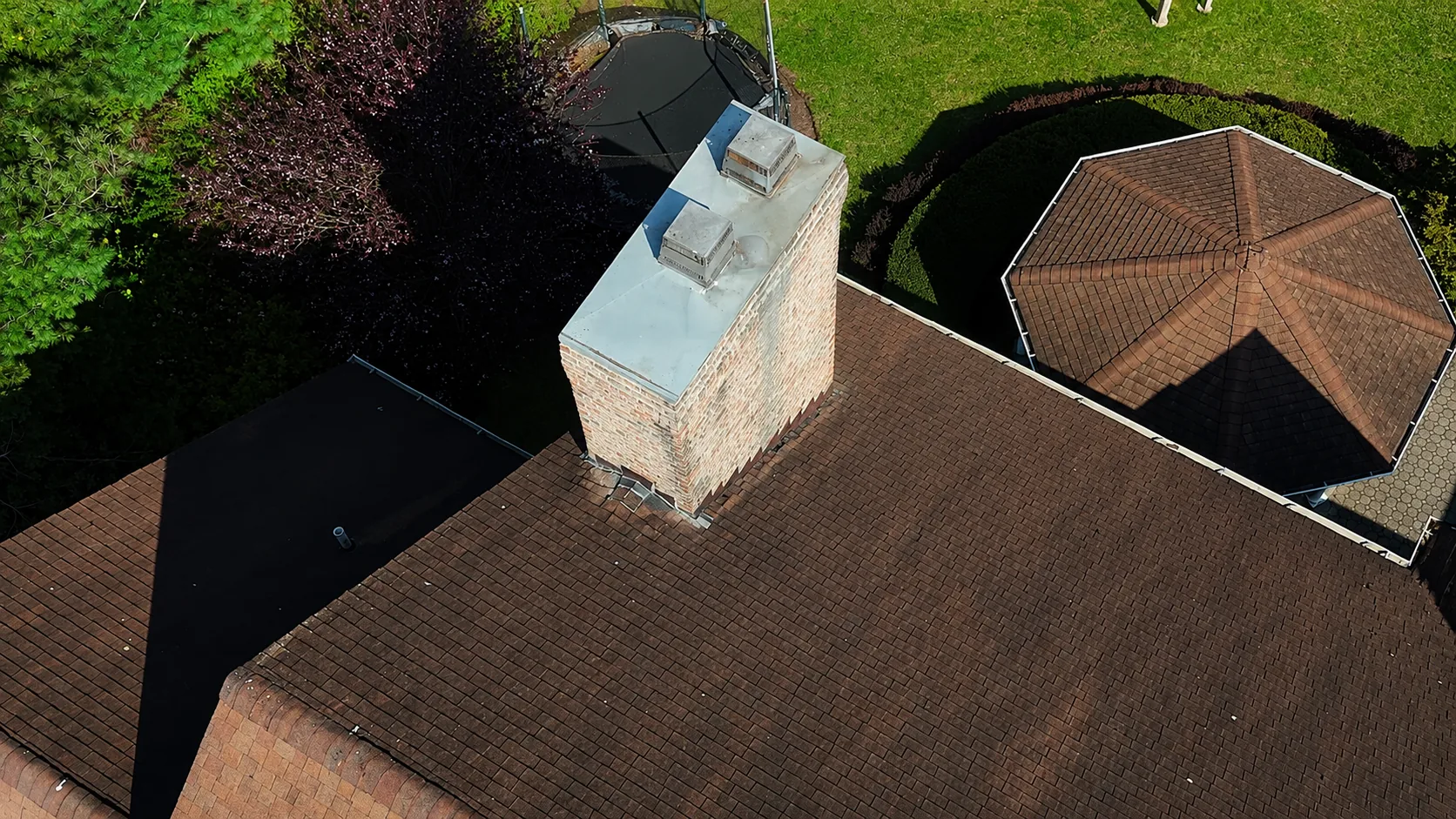
What wind, hail, and fallen limbs do to a roof, how to spot damage safely from the ground, and how to document it before an insurance claim.
Read the guide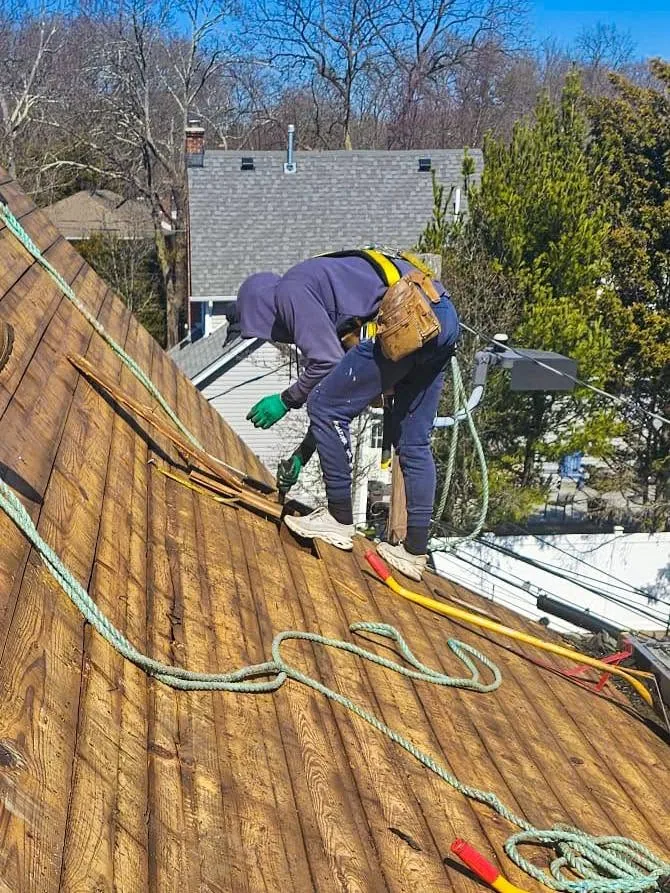
The common failure points — flashing, pipe boots, valleys, nail pops — and why finding the real source of a leak beats patching the stain.
Read the guide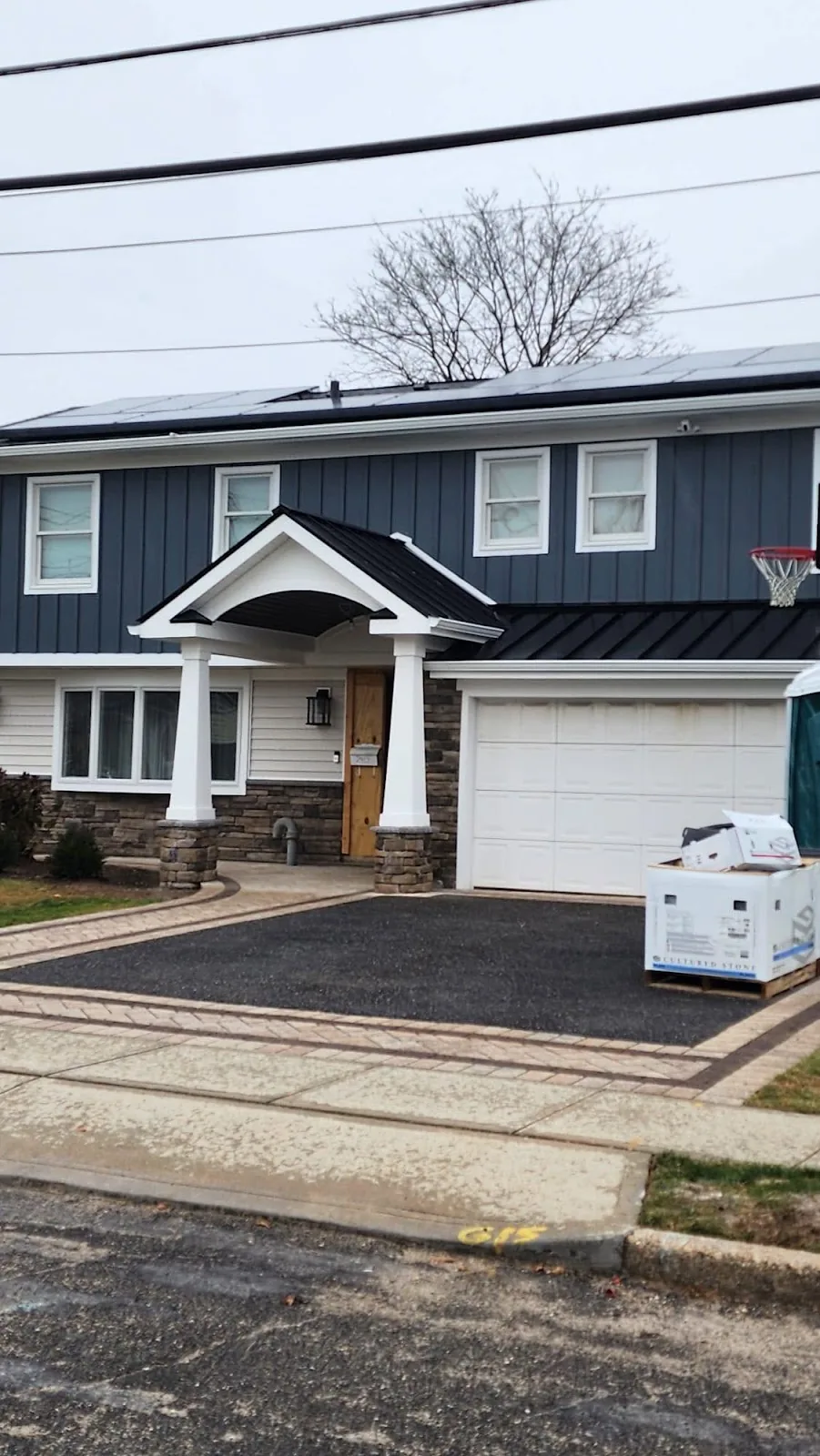
Why gutters and roofs fail together, how proper drainage protects your fascia and foundation, and what seamless systems add over sectional ones.
Read the guideFull replacements, flat roofing, and the GAF system we install layer by layer — plus how the Master Elite certification unlocks better warranties.
Read the guideVinyl and fiber-cement options for Long Island's salt air and freeze-thaw swings, and how siding and roofing work together to seal the building envelope.
Read the guideThe Nassau and Suffolk towns we cover across the South Shore, with no travel fees and no service-area upcharges anywhere on Long Island.
See our areasShort, honest takes on the things homeowners ask us most. For the full picture, follow the linked guides above.
A well-installed asphalt shingle roof on Long Island typically lasts 20 to 30 years. The exact number comes down to ventilation, sun exposure, and how well it was installed. Our coastal climate is harder on roofs than most people expect:
A roof rarely fails all at once — it gives you warning signs first, so there's no need to wait for a leak.
Watch for these, from the ground and inside the attic:
One or two might call for a repair. Several together, on an older roof, usually mean replacement is the smarter long-term spend. When in doubt, get eyes on the actual roof — not a guess from the driveway.
Nor'easters arrive with sustained wind and driving rain, and they find every weak point a roof has. Before the season:
A pre-season inspection is cheap insurance. Catching a small issue in October costs far less than an active leak in the middle of a February storm.
Three things drive the decision: the age of the roof, how widespread the damage is, and the cost of repairing versus replacing.
On an older roof, repairs mean paying to patch something near the end of its life anyway. An honest contractor tells you which side of that line you're on and won't push a replacement when a repair will genuinely do the job — which is exactly why a second opinion is worth getting before you commit.