
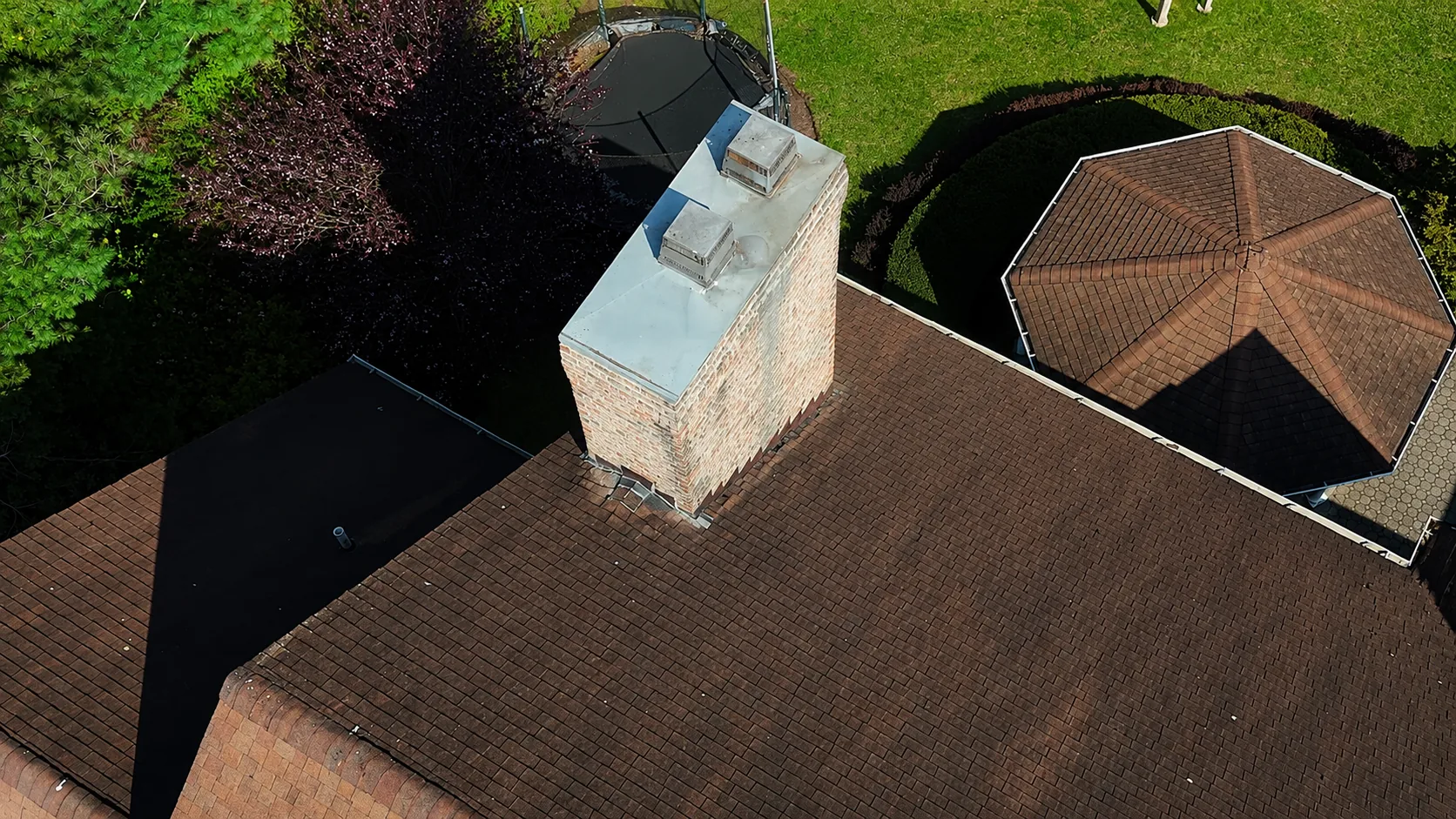
When the Storm Passes,
We're Already Close By
Living on Long Island's South Shore means living with weather. The same coast that makes Babylon, Islip, and the bay towns great places to own a home puts those roofs in the path of nor'easters, wind-driven rain, tropical systems, and the occasional hailstorm.
A single strong storm can lift shingles, tear flashing, dent gutters, and drop a limb through your decking in an afternoon. Our West Babylon base sits in the middle of the area we serve — which matters most on the worst days, when an active leak needs a crew on site quickly.
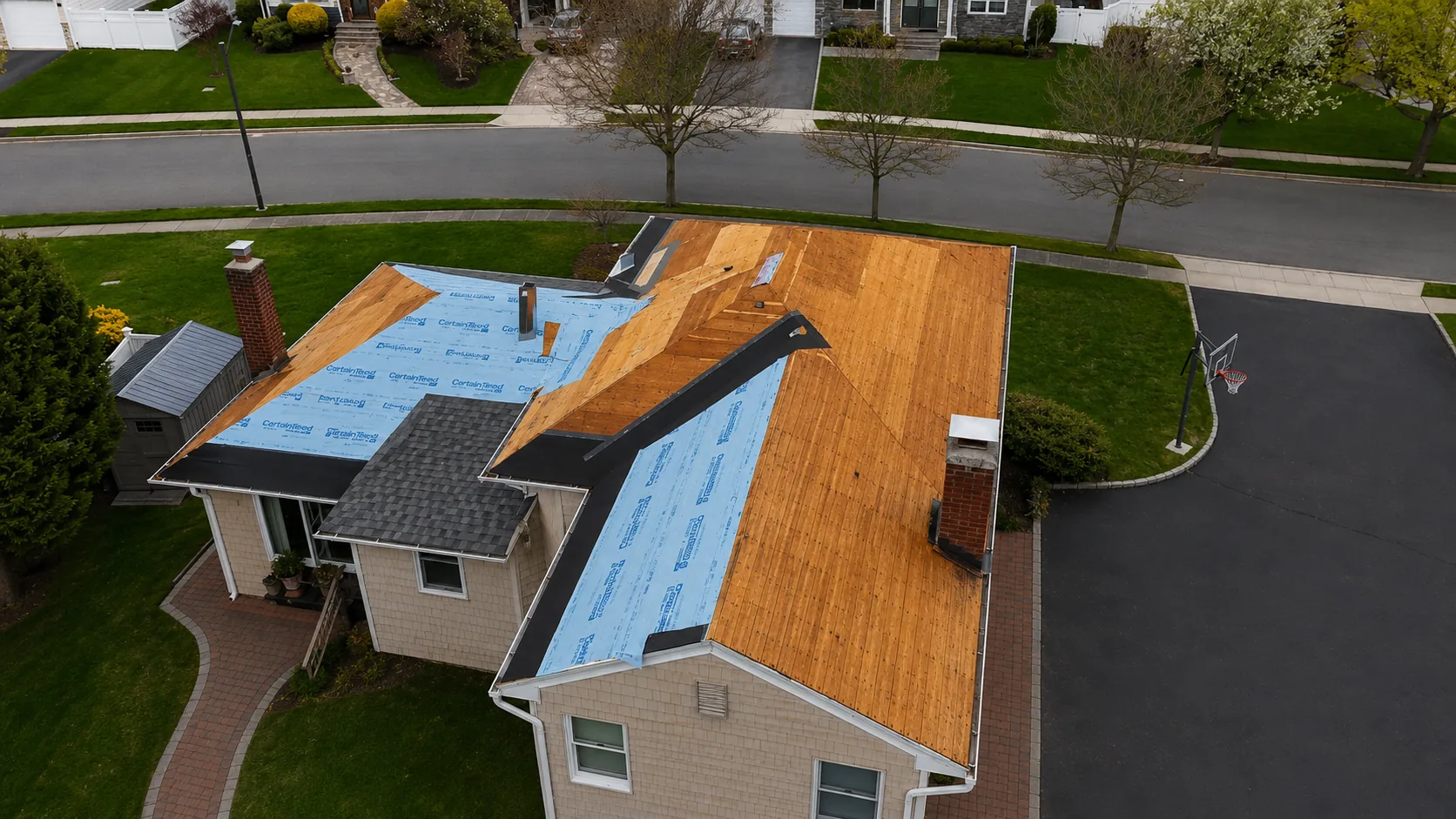
What South Shore
Storms Do to a Roof
The storms that threaten Long Island roofs each have their own signature — and because much of southern Babylon and Islip sits close to the water, a tight, correctly flashed roof is your first line of defense from above.
- Nor'easters — slow coastal storms that pile up hours of high wind and sideways rain, driving water under shingles and weak flashing
- Tropical storms & hurricanes — rarer but far more violent; Sandy in 2012 showed what sustained coastal wind can do
- Summer thunderstorms — sudden downburst wind and occasional hail that bruises shingles and knocks granules loose
- Winter ice dams — attic heat melts snow that refreezes at the eave, backing water up under the shingles
- Fallen limbs — a single mature-tree branch can puncture decking or strip a run of shingles in seconds
How to Spot
Storm Damage
Some damage is obvious from the yard; wind creases and broken seals often aren't. These are the signs worth checking after every major storm.
Lifted or Missing Shingles
Bare patches, curled corners, or shingles in the yard are the clearest sign. Wind can also break the seal without tearing the shingle off, which is harder to see from the ground.
Granule Loss
Piles of sand-like granules in gutters or at the base of downspouts mean the protective surface of your shingles is wearing away — often accelerated by hail or heavy rain.
Interior Leaks & Stains
Fresh ceiling stains, drips, or damp attic insulation after a storm point to water finding a new way in. The stain rarely sits directly below the actual entry point.
Flashing Damage
Bent, lifted, or torn metal around chimneys, skylights, vents, and wall joints is a frequent storm casualty and a common source of leaks that show up weeks later.
Dented Gutters & Downspouts
Dings and dents in aluminum gutters, downspouts, and metal vents are a good proxy for hail intensity — if the metal took a beating, the shingles likely did too.
Fallen Limbs & Debris
Branches on the roof or in the yard, and scuffed or punctured shingles where they landed, signal impact damage that can reach through to the decking.
Not sure how bad it is? A free roof repair inspection sorts cosmetic scuffs from real damage before it turns into an interior problem.
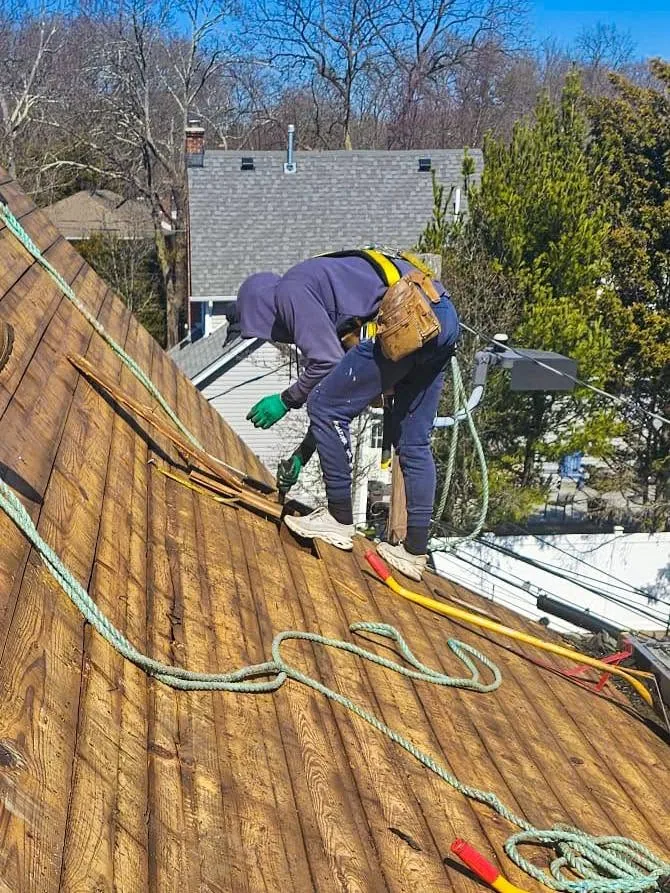
What to Do After
the Storm Passes
Safety comes before the roof. Once everyone is safe, a little documentation goes a long way toward a smooth repair and an accurate claim.
- Stay off ladders and the roof — keep clear of downed limbs and any sagging power lines
- Stop interior damage — cut power to the affected area if you safely can, move valuables, and set out buckets for active drips
- Document from the ground — take clear, dated photos of missing shingles, dented gutters, fallen limbs, and interior stains
- Call a licensed local roofer — for a proper inspection and, if needed, a same-day tarp that can prevent thousands in water damage
Watch out for storm chasers. After every major Long Island storm, out-of-town crews knock on doors promising instant, free roofs. Work with a licensed, insured, local contractor who will still be here for the warranty — we've been based in West Babylon since 1999.
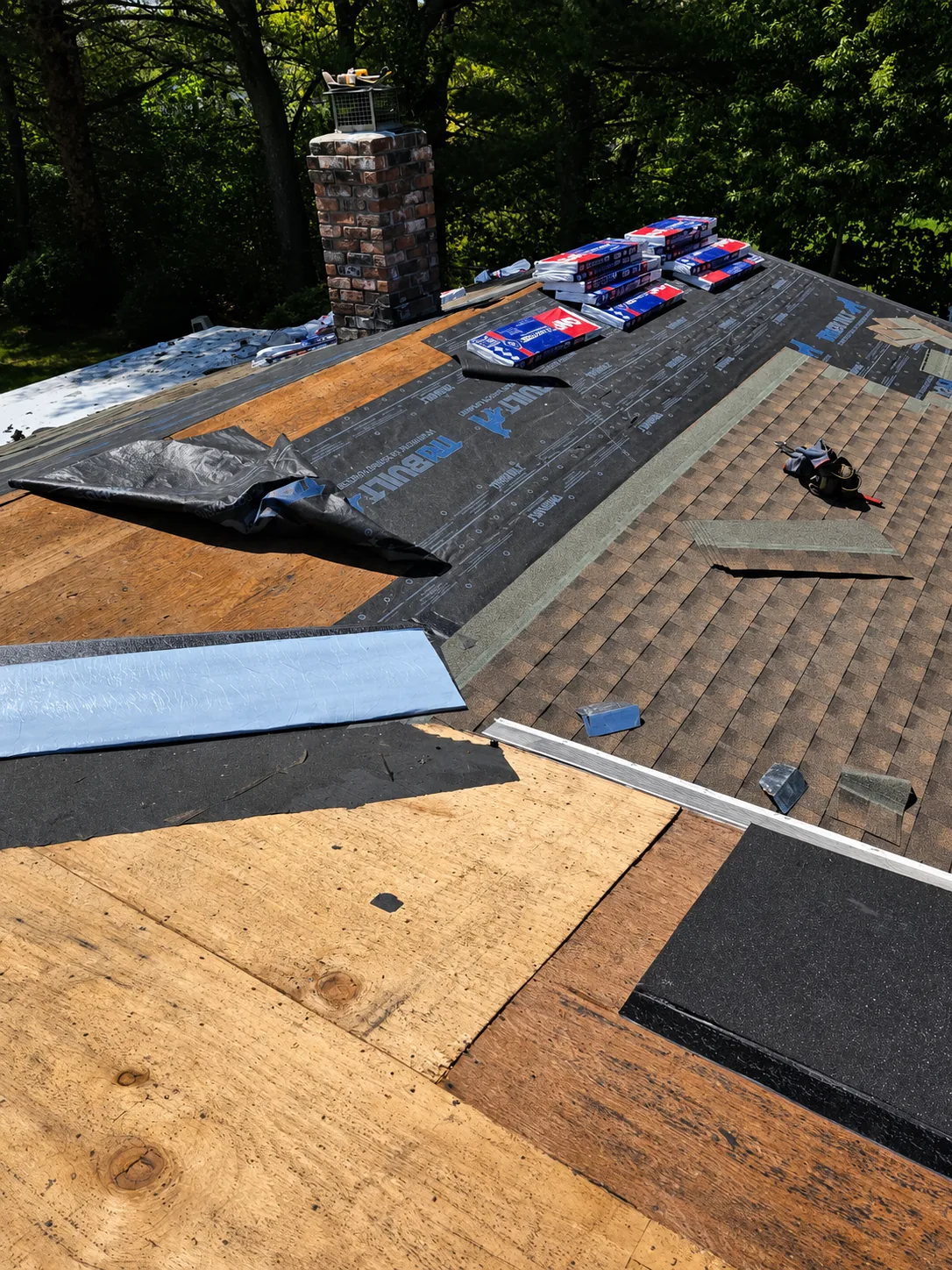
24/7 Response &
Temporary Tarping
Storm damage doesn't keep business hours, so neither do we. Being based on Sunrise Highway in West Babylon, we can reach most South Shore towns quickly when a roof opens up.
The first job is stabilization. A properly installed, weighted tarp stops water where it's getting in and protects your ceilings, insulation, and belongings until a permanent repair is safe. Once the roof is stable, we schedule the full fix — matching shingles, rebuilding flashing, replacing damaged decking, and correcting the ventilation or drainage issues that made the damage worse.
The Insurance Claim
Process, Explained Honestly
Sudden storm damage from wind, hail, or a fallen tree is usually a covered peril, while gradual age-related wear generally isn't. Every policy, deductible, and adjuster is different, so no honest contractor can promise a specific payout or guarantee approval — that call belongs to your insurer. Here's how the process typically runs on Long Island.
- 1. Document the damage — photograph the roof, gutters, and interior as soon as it's safe. We inspect the roof, note the date and cause of loss where possible, and put together clear photo evidence for your claim.
- 2. File the claim — you contact your insurer to open the claim and get a claim number. You're the policyholder, so you file it; we don't file claims on your behalf or negotiate as a public adjuster, which would be a licensing issue in New York. We simply give you what you need to file accurately.
- 3. Meet the adjuster — your insurer sends an adjuster to inspect the damage. We're glad to be on site to walk the roof, point out storm-related damage, and answer technical questions so nothing legitimate gets overlooked.
- 4. Scope of work & repair — once the claim is settled, we provide a detailed written scope of work and complete the repair to GAF Master Elite standards. You're never obligated to use your payout with us, but many homeowners do because they've seen how we work.
Our role is craftsmanship and honest documentation, not manipulating a claim. We won't inflate damage, invent losses, or promise an outcome we can't control — that protects you as much as it protects us.
Why South Shore Homeowners
Call J. Great After a Storm
A local base for fast emergency response, two-plus decades on South Shore rooflines, and honest documentation — a roofer who stands behind the work long after the storm clears. Repair costs vary with the extent of damage and your policy, so start with a free inspection.
5.0★ · 87+ Reviews
Verified reviews from Long Island homeowners who've seen how we work after a storm.
GAF Master Elite®
A certification held by only the top 3% of roofing contractors in the country.
Golden Pledge® Warranty
Permanent repairs and replacements backed by lifetime coverage on materials and workmanship.
25+ Years, Local Base
Based in West Babylon since 1999 — fast emergency response across the South Shore.
Explore our full roofing services, see how we handle everyday roof repair, or find every town we cover on our service areas page.
Storm Damage FAQs
Straight answers to what South Shore homeowners ask us most after a storm.
Stay safe first — keep off the roof and away from downed limbs or power lines. From the ground, take clear photos of any missing shingles, dented gutters, or debris. If water is actively coming in, move belongings and put down buckets, then call us for 24/7 emergency response. We can get out from our West Babylon base fast, tarp the damaged area to stop further water intrusion, and document everything you'll need for an insurance claim.
Common signs after a South Shore storm include lifted or missing shingles, shingle granules collecting in gutters and at downspout splash blocks, new ceiling stains or drips, bent or torn flashing around chimneys and vents, and dented gutters or downspouts. Some damage is easy to spot from the yard; wind creases and lifted seals often aren't. A free roof inspection is the reliable way to know what actually happened up there.
Sudden storm damage from wind, hail, or a fallen tree is typically covered by homeowner's insurance, while gradual age-related wear usually isn't. Every policy and deductible is different, so we can't promise a specific outcome or dollar amount — that decision belongs to your insurer and adjuster. What we can do is inspect the roof, document the damage thoroughly with photos, and provide a clear written scope of work so you can file an accurate, well-supported claim.
Yes. We offer 24/7 emergency service across Long Island. When wind-driven rain or a fallen limb opens up your roof, a properly installed tarp buys time and prevents thousands of dollars in interior water damage before the permanent repair. We stabilize the roof, then schedule the full fix once conditions are safe and, if applicable, your claim is underway.
Our base is at 619 Sunrise Hwy in West Babylon, right in the middle of the South Shore, so we reach most Babylon, Islip, and neighboring towns quickly. During major storms demand spikes, but emergency leaks and active water intrusion move to the front of the line. Call (631) 669-6269 and we'll give you a realistic arrival window rather than an empty promise.